Could your kitchen’s primary operational bottleneck be hidden within its thermal processing capabilities rather than its workforce? In the sophisticated environment of the UAE’s AED 100 billion foodservice market, you’re likely aware that maintaining consistent food quality while managing rising utility costs is a persistent challenge for any large-scale operator. Scaling production without inflating overhead requires more than just standard equipment; it demands a strategic investment in precision engineering and smart automation.
This guide provides a comprehensive technical framework for selecting and optimizing a commercial combi oven UAE to ensure your facility meets strict HACCP standards and Civil Defense fire safety codes while maximizing throughput. We’ll examine the critical technical specifications, ECAS conformity requirements, and infrastructure integration strategies necessary to transform your kitchen into a high-performance, durable asset for 2026. From navigating the UAE Fire & Life Safety Code to ensuring Grade 304 stainless steel durability, we provide the methodical insights required for professional B2B procurement and long-term operational excellence.
Key Takeaways
- Identify the strategic advantages of transitioning from traditional convection to intelligent combination steaming; it’s the most effective way to enhance kitchen versatility.
- Evaluate the technical architecture of a commercial combi oven UAE, specifically comparing boiler-based and injection steam systems for optimal thermal efficiency.
- Ensure full regulatory compliance by integrating high-performance stainless steel exhaust hoods that meet UAE Civil Defense and NFPA 96 standards.
- Mitigate operational downtime by implementing advanced water filtration solutions tailored to address the unique challenges of regional water hardness.
- Streamline your facility’s modernization through a consultative procurement process that doesn’t compromise on precision engineering or professional installation.
The Strategic Role of Commercial Combi Ovens in UAE Foodservice Operations
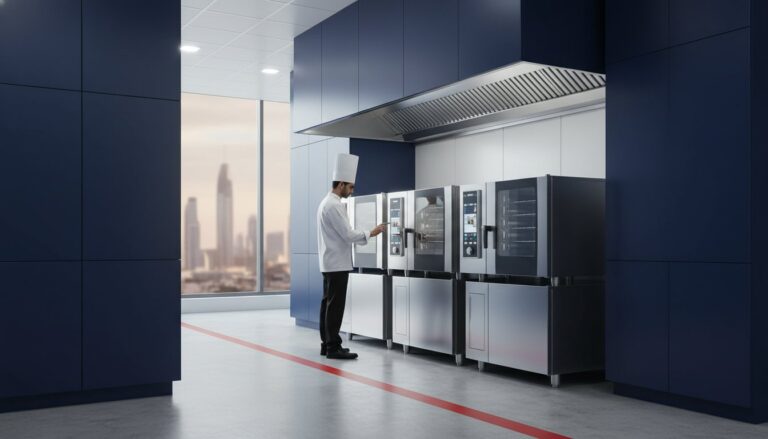
The deployment of a commercial combi oven UAE represents a fundamental shift from traditional cooking methods to a centralized, high-efficiency thermal processing hub. While standard kitchens once relied on a fragmented array of convection ovens and dedicated steamers, the modern UAE foodservice sector is increasingly adopting a combi-centric approach. This transformation is driven by the necessity to maintain rigorous food safety standards while optimizing limited kitchen real estate in high-density urban developments across Dubai and Abu Dhabi. It’s no longer just about heating food; it’s about managing a complex thermal environment to achieve specific culinary outcomes at scale.
Integrating Combi Steamer Technology allows operators to consolidate their cooking line, effectively replacing multiple standalone appliances with a single, multifunctional unit. This reduction in the physical footprint is critical for large-scale catering operations where throughput must be maximized without compromising the safety and flow of the workspace. By centralizing thermal processes, kitchens can achieve a level of precision that ensures every batch meets the exact same quality parameters. STEELTRACK KITCHEN EQUIPMENT IND LLC ensures that these units are integrated into a broader ecosystem of stainless steel fabrication and ventilation, creating a seamless workflow that supports rapid growth through technical commercial kitchen services.
Understanding the Three Core Cooking Modes
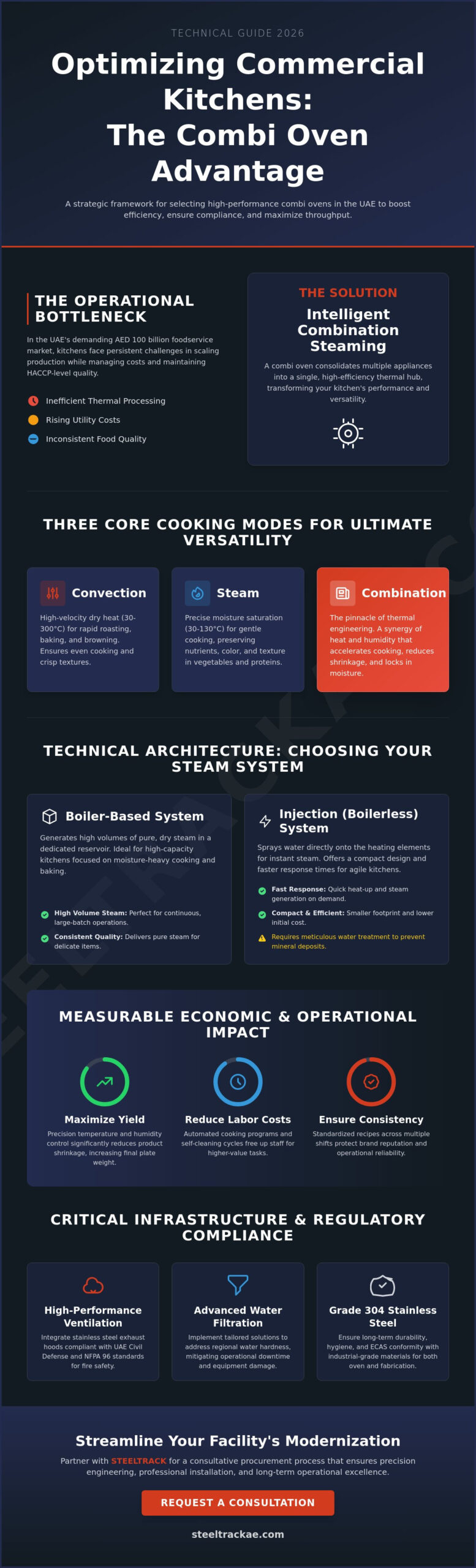
The versatility of these units stems from their ability to manipulate the cooking environment through three distinct atmospheric settings. Convection mode utilizes high-velocity dry heat to facilitate rapid roasting and baking, ensuring consistent browning through superior airflow. Steam mode provides precise moisture saturation, which is essential for nutrient retention and high-volume vegetable or protein preparation without the risk of dehydration. Finally, Combination mode represents the pinnacle of thermal engineering, utilizing a synergy of heat and controlled humidity to accelerate cooking times while preserving the internal texture and weight of the product.
Economic Impact on Commercial Kitchen Throughput
Strategic procurement of a commercial combi oven UAE offers measurable financial advantages beyond simple energy efficiency. Precision temperature management significantly reduces product shrinkage, ensuring that more of the raw ingredient weight reaches the final plate. This reduction in waste directly impacts the bottom line of high-volume facilities. Additionally, the integration of automated cooking programs and self-cleaning cycles reduces the reliance on manual labor, allowing staff to focus on higher-value tasks. This standardization of recipes across multiple shifts ensures that culinary output remains consistent, protecting the brand’s reputation and operational reliability.
Technical Architecture: Evaluating Steam, Convection, and Hybrid Thermal Modes
Selecting the appropriate commercial combi oven UAE requires a granular understanding of its internal thermal architecture. The choice between boiler-based and boilerless (injection) steam generation systems is paramount. Boiler systems utilize a dedicated reservoir to generate high volumes of dry steam, which is essential for high-capacity kitchens that prioritize moisture-heavy cooking. In contrast, injection systems spray water directly onto the heating elements, providing a more compact design and faster response times, though they require meticulous water treatment to manage mineral deposits. Thermal efficiency in the UAE industrial kitchen is the ratio of thermal energy absorbed by the food product relative to the total energy consumed by the unit, particularly when operating in high ambient humidity.
Achieving uniform heat distribution across a full load of Gastronorm trays depends heavily on the multi-fan configuration within the chamber. High-performance units utilize bi-directional, multi-speed fans that ensure heat reaches every corner of the oven, eliminating the need for manual tray rotation. This engineering precision is reinforced by advanced insulation materials and triple-glazed doors, which are critical for maintaining internal temperatures and adhering to Dubai’s Green Building Regulations. If you’re designing a high-capacity facility, it’s beneficial to consult with a technical specialist to evaluate which thermal configuration aligns with your specific menu requirements.
Gas vs. Electric Combi Ovens: A UAE Performance Analysis
The decision between gas and electric power involves balancing operational costs with infrastructure limitations. Electric models are widely favored in UAE shopping malls and high-rise developments due to their simpler installation and lack of complex gas safety requirements. However, gas-powered units often provide faster recovery times and may offer lower long-term utility costs depending on the specific gas tariffs available at your location. Operators must ensure their facility can support the high-voltage 3-phase electrical loads required for industrial electric ovens or the specialized ventilation and fire suppression systems mandated for gas-fired equipment.
Intelligent Cooking Systems and Automation
Modern commercial combi oven UAE models feature sensory technology that automatically adjusts cooking parameters based on the load size and product type. This intelligent automation ensures that a single tray of protein receives the same precision as a fully loaded chamber. These systems support multi-stage cooking sequences, allowing chefs to program complex transitions between steam and convection modes. Crucially, these intelligent interfaces provide automated HACCP compliance reporting, digitally logging every thermal cycle to satisfy the stringent health and safety audits conducted by local municipalities.
Critical Selection Criteria for Industrial-Grade Combi Technology
Selecting a commercial combi oven UAE is a strategic procurement decision that extends well beyond basic functionality. It requires a precise alignment between your facility’s anticipated output and the equipment’s technical capacity. While smaller boutique operations might prioritize footprint, industrial-scale kitchens must focus on Gastronorm (GN) tray counts to ensure they meet peak demand without overextending the unit’s thermal limits. This selection process is governed not only by culinary needs but also by the stringent UAE Food Safety Laws, which mandate specific performance standards for equipment used in large-scale food preparation and storage.
Capacity planning is categorized by the number of GN 1/1 trays the unit can accommodate. 6-tray and 10-tray models are typically engineered for boutique restaurants, cafes, or specific station tasks within a larger line. Conversely, 20-tray and 40-tray roll-in units are the standard for hotel banquet operations and industrial catering facilities where meal volumes reach thousands daily. For kitchens with limited horizontal area, stacking kits allow for the vertical integration of two smaller units. This provides the flexibility of maintaining two distinct cooking climates within a single footprint, significantly increasing your operational versatility.
Long-term Durability and Material Standards
The environmental conditions in the UAE, characterized by high ambient humidity and heat, necessitate the use of high-grade 304 stainless steel for both the interior chamber and exterior housing. This material standard ensures resistance to corrosion and maintains the hygienic integrity required for professional commercial kitchen equipment services. Beyond the chassis, the integrity of the glass door is a critical factor; triple-pane thermal retention systems prevent heat loss and ensure the exterior remains safe to touch. Engineers should also evaluate component accessibility, as rapid access to internal electronics and heating elements reduces downtime during essential technical servicing.
Maintenance Automation and Regional Support
Maintenance automation is a pivotal factor in long-term ROI. Intelligent descaling systems and automated cleaning cycles mitigate the risks associated with scale buildup, a common issue in the region due to high mineral content in the water supply. When evaluating brand reputation, prioritize manufacturers with a robust local presence in the UAE to ensure that technical support and genuine spare parts are readily available. This systematic approach ensures that your commercial combi oven UAE integrates seamlessly with your existing stainless steel work tables and kitchen trolleys, creating a cohesive and efficient production environment that stands up to the rigors of industrial use.
Infrastructure Integration: Ventilation, Filtration, and Stainless Steel Requirements
Integrating a commercial combi oven UAE into a high-volume kitchen environment requires a methodical approach to infrastructure that extends beyond simple power connectivity. The operational success of these units depends on a precisely engineered support system that manages heat output, ensures water purity, and optimizes ergonomic flow. Without this strategic integration, even the most sophisticated thermal technology will suffer from premature component failure and increased utility consumption. Professional facility planning, often supported by multidisciplinary firms like Global Engineering Office, ensures that your thermal processing hub remains compliant with local civil defense regulations while maintaining peak throughput.
The relationship between water quality and equipment longevity is particularly critical in the Gulf region. Manufacturers mandate the installation of certified water filtration systems as a prerequisite for warranty validation because untreated mineral accumulation causes irreversible damage to internal thermal components. Beyond the warranty implications, high mineral content directly impacts steam quality, which can alter the texture and flavor profiles of your culinary output. To maintain the integrity of your investment, you should consult with our technical advisors regarding the specific filtration requirements for your facility’s water supply.
Ventilation and Heat Management in the UAE
Effective heat management is a primary concern given the high ambient temperatures common in the UAE. High-performance stainless steel exhaust hoods are essential for capturing the intense latent heat and steam released during the cooking cycle. Engineers must calculate specific airflow requirements to ensure that the kitchen’s HVAC system can compensate for the oven’s thermal load without overworking the building’s cooling infrastructure. For units located in areas with limited duct access, specialized condensation hoods provide an alternative by utilizing integrated heat exchangers to neutralize steam before it enters the workspace.
Water Quality and Scale Prevention
Selecting the correct filtration technology is a technical necessity for preventing scale buildup in both boiler-based and injection systems. While reverse osmosis systems offer the highest level of purity, resin-based ion exchange softeners are often sufficient for managing standard regional water hardness. Maintenance intervals for these filtration cartridges must be strictly followed, especially in 24-hour industrial catering operations where water consumption is constant. Consistent filtration ensures that the steam generation process remains efficient and prevents the clogging of precision spray nozzles.
Custom Fabrication and Ergonomic Placement
The physical positioning of the unit is just as important as its internal specifications. Utilizing professional stainless steel fabrication allows for the creation of custom oven stands and work tables that align with the specific height and reach requirements of your culinary team. These stands must be engineered to support the substantial weight of fully loaded 20-tray or 40-tray units while providing adequate clearance for technical service access. Proper ergonomic placement reduces staff fatigue and streamlines the movement of trolleys between the oven and blast chillers or walk-in cold rooms.
Professional Procurement and Installation Services by STEELTRACK KITCHEN EQUIPMENT IND LLC
Procuring a commercial combi oven UAE is a strategic investment that requires specialized technical oversight rather than simple retail acquisition. STEELTRACK KITCHEN EQUIPMENT IND LLC operates as a sophisticated partner, providing a comprehensive procurement framework that ensures every thermal asset is specified for the unique environmental and regulatory demands of the Emirates. We facilitate the acquisition of premium solutions, such as the Rational iCombi series, by integrating technical design with high-grade manufacturing. This ensures that your kitchen’s core thermal processing hub is both reliable and perfectly integrated into your existing operational workflow.
Our turnkey methodology moves beyond equipment supply to include the entire lifecycle of the installation, from initial site audits to final commissioning. STEELTRACK KITCHEN EQUIPMENT IND LLC recognizes that the longevity of industrial equipment is contingent upon precise installation and scheduled preventative maintenance programs. By combining our authorized supply status with our in-house capabilities for custom stainless steel fabrication, we deliver a cohesive environment that supports the high-throughput requirements of modern industrial catering. Furthermore, ensuring the secure delivery of these high-value assets is a priority, often managed through specialized fleet security solutions like Lock and Track to maintain supply chain integrity.
Technical Consultation and Kitchen Design
Every successful deployment begins with a rigorous site survey to evaluate the readiness of your facility’s electrical, gas, and plumbing infrastructure. Our technical team analyzes your current workflow to determine the optimal placement for your commercial combi oven UAE, ensuring it integrates seamlessly with other critical assets. For a holistic view of kitchen optimization, we recommend reviewing our Heavy-Duty Cooking Range UAE guide, which details how to achieve total synergy between your primary thermal processing units and specialized cooking lines.
Installation and Operational Training
Safety and compliance are the foundations of our installation services. Every unit we commission is installed to meet stringent UAE safety and civil defense standards, ensuring that your facility remains fully compliant with local regulations. Beyond the physical setup, we provide intensive operational training for your culinary staff. This training focuses on mastering smart oven features and automated programs, which is essential for maximizing your equipment ROI and maintaining consistent food quality across all shifts. Our commitment to after-sales support ensures that your kitchen maintains zero operational downtime through scheduled preventative maintenance and rapid technical response.
Contact STEELTRACK KITCHEN EQUIPMENT IND LLC for Your Kitchen Requirements
Whether you’re upgrading a single facility or designing a large-scale industrial catering hub, our team is prepared to provide the technical expertise required for a successful deployment. We offer customized quotes tailored to your specific operational scale and menu requirements, ensuring you receive a solution that balances performance with fiscal responsibility. We invite you to discuss your project and explore our range of custom stainless steel solutions designed to complement high-performance thermal equipment. Contact our technical team for a professional consultation to begin your facility’s modernization process.
Future-Proofing Your Industrial Kitchen Operations
The implementation of a high-performance commercial combi oven UAE serves as the cornerstone for achieving industrial-scale efficiency and rigorous regulatory compliance. As the regional foodservice market evolves toward greater automation, operational success depends on more than just the appliance itself. It requires a methodical alignment of thermal technology with custom-fabricated stainless steel infrastructure and precision-engineered ventilation systems. This synergy ensures that your facility meets the high standards of the UAE Civil Defense while maintaining the throughput necessary for sustainable growth in a competitive landscape.
STEELTRACK KITCHEN EQUIPMENT IND LLC provides the specialized expertise required to navigate these complex technical requirements. As an established manufacturer of high-grade stainless steel solutions and a specialist in industrial kitchen setups, we offer comprehensive national UAE installation and support. We don’t just supply equipment; we engineer environments that prioritize durability, safety, and operational excellence. If you’re ready to modernize your facility with a solution designed for the rigorous demands of 2026, we invite you to Request a Technical Consultation and Quote. We look forward to partnering with you to elevate your kitchen’s performance through precision engineering.
Frequently Asked Questions
What is the difference between a convection oven and a commercial combi oven?
A convection oven utilizes high-velocity dry heat to circulate air, whereas a commercial combi oven UAE integrates steam generation to provide three distinct cooking modes. This versatility allows operators to steam, roast, or utilize a hybrid mode for optimized moisture retention. While convection units are limited to baking and roasting, combi technology facilitates complex processes like poaching and sous-vide within a single footprint.
Do I need a water softener for my combi oven in the UAE?
Installing a high-performance water filtration or softening system is mandatory for any commercial combi oven UAE installation due to high mineral content in the local water supply. Failure to address water hardness leads to rapid scale accumulation in the boiler or injection system, which compromises thermal efficiency. Most manufacturers require certified filtration to maintain the validity of the equipment warranty and prevent premature component failure.
Which is better for high-volume catering: gas or electric combi ovens?
Gas combi ovens are traditionally favored for high-volume catering because they offer faster temperature recovery times and lower long-term utility costs in specific UAE jurisdictions. However, electric models are often the more pragmatic choice for high-rise developments or shopping malls where gas infrastructure is restricted. Electric units provide high-precision thermal control and simpler integration with existing building management systems.
How often should a commercial combi oven be serviced?
Industrial combi ovens should undergo professional preventative maintenance at least every six months to ensure operational reliability. High-volume facilities operating 24/7 may require quarterly inspections to monitor gasket integrity, fan motor performance, and sensor accuracy. Regular servicing prevents unexpected downtime and ensures the unit continues to meet stringent HACCP safety standards through accurate temperature logging and calibration.
Can a combi oven replace a traditional cooking range?
A combi oven can replace several traditional appliances like steamers and convection ovens, but it’s typically used to complement a heavy-duty Indian or Chinese cooking range. While it handles bulk roasting and steaming with superior precision, dedicated ranges are still essential for high-heat wok cooking or specialized pan-frying. Integrating both allows for a more versatile and efficient kitchen workflow that maximizes throughput.
What are the ventilation requirements for installing a combi oven?
Installation requires a high-performance stainless steel exhaust hood designed to manage the high volume of latent heat and steam released during operation. These systems must comply with the UAE Fire & Life Safety Code and NFPA 96 standards for commercial kitchens. For units located outside primary extraction zones, specialized condensation hoods can be utilized to neutralize steam before it enters the workspace.
What is the typical lifespan of an industrial combi oven?
An industrial combi oven typically has an operational lifespan of 10 to 15 years when supported by a rigorous preventative maintenance program. Longevity depends heavily on the use of high-grade 304 stainless steel and consistent water filtration to prevent internal corrosion. Units that aren’t properly maintained or are subjected to untreated hard water may see a significant reduction in their reliable service life.
How does automated cleaning work in modern combi ovens?
Modern ovens utilize integrated chemical delivery systems that dispense detergent and descaling agents during pre-programmed cycles. The chef simply selects the required cleaning intensity, and the oven manages the water temperature and rinse cycles automatically. This automation ensures the chamber remains hygienic and free from carbonized buildup without requiring manual scrubbing, which significantly reduces labor costs and protects the oven’s interior surfaces.