

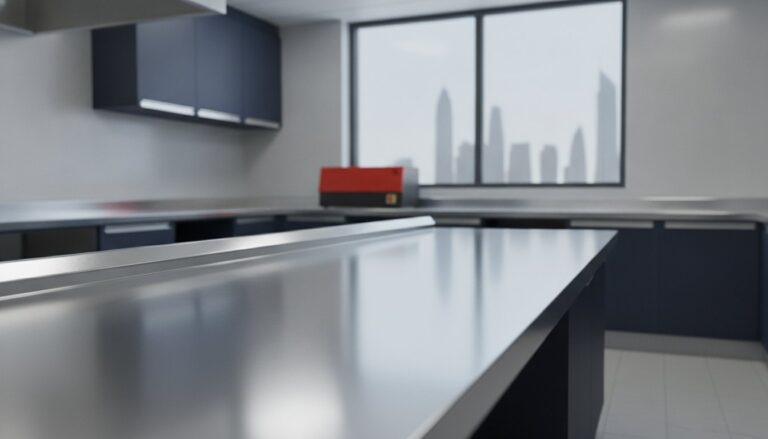
With penalties for food safety non-compliance reaching as high as AED 2,000,000, the structural integrity of your food preparation surfaces is no longer a matter of convenience; it’s a critical regulatory requirement. Professional operators recognize that the UAE’s high-humidity climate can aggressively corrode inferior steel grades, while poorly designed joints often become breeding grounds for bacteria that jeopardize Dubai Municipality or ADAFSA inspections. It’s a frustrating reality when structural failure or hygiene gaps disrupt the flow and safety of a professional kitchen.
This article demonstrates how investing in precision-engineered commercial kitchen work tables UAE provides a durable foundation that withstands the most rigorous industrial demands while ensuring full HACCP compliance. We’ll examine how these units serve as precision-engineered structural components that dictate both the hygiene and throughput of your facility. Our discussion covers the technical advantages of Grade 304 stainless steel fabrication, the necessity of seamless joints for effortless sanitation, and the role of custom-fit solutions in optimizing staff efficiency. By the end of this guide, you’ll understand how to select and maintain work surfaces that bridge the gap between heavy-duty engineering and uncompromising food safety standards.
Key Takeaways
- Understand the strategic importance of high-performance work tables as the structural foundation for supporting heavy-duty cooking ranges and optimizing industrial workflows.
- Identify the technical specifications of Grade 304 stainless steel required to maintain HACCP compliance and resist corrosion within the challenging climate of the UAE.
- Learn how custom fabrication and ergonomic design principles can transform your kitchen layout into a highly efficient workspace that minimizes staff fatigue.
- Discover the advantages of integrating precision-engineered commercial kitchen work tables UAE into a turnkey setup for seamless coordination with professional installation services.
The Strategic Role of Stainless Steel Work Tables in UAE Commercial Kitchens
In the high-pressure environment of a professional kitchen, the work table serves as the primary interface between culinary staff and the technical workflow. It’s far more than a simple furniture piece; it’s a precision-engineered platform that facilitates the transition from raw ingredients to finished product. The structural integrity of commercial kitchen work tables UAE is paramount, particularly when these surfaces must support the substantial weight of heavy-duty cooking ranges, combi ovens, or high-capacity refrigeration units. A poorly constructed table doesn’t just vibrate or sag; it creates operational bottlenecks and safety hazards that can compromise an entire service period.
Local fabrication remains the gold standard for meeting the specific spatial and operational requirements of the UAE food service sector. Unlike generic imports that follow standardized dimensions, custom-fabricated solutions allow for a seamless fit into unique kitchen footprints, ensuring that no square meter of expensive real estate is wasted. This level of precision is essential for maintaining a clear separation between raw and cooked food zones, a strategic design choice that directly prevents cross-contamination and streamlines staff movement during peak hours.
Hygiene and Regulatory Compliance
Adhering to HACCP standards requires more than just a cleaning schedule; it necessitates equipment designed for total sanitation. High-performance stainless steel surfaces are non-porous and resistant to the bacterial colonization common in high-temperature environments. Our fabrication process emphasizes seamless joints and radiused corners, eliminating the microscopic crevices where food particles accumulate. This methodical approach ensures that your facility consistently passes local municipal health and safety inspections, such as those conducted by the Dubai Municipality or ADAFSA, where equipment cleanliness is a primary metric for compliance.
Durability in High-Humidity Environments
The UAE’s coastal climate presents a unique challenge for metal equipment, as high humidity and ambient heat accelerate oxidation in inferior materials. Utilizing high-grade Austenitic stainless steel grades is critical for long-term durability. While residential-style imports might appear cost-effective initially, they often succumb to pitting and rust within months. Investing in industrial-grade furniture provides a superior ROI by maintaining structural stability under the weight of heavy industrial equipment. For businesses seeking a comprehensive fit-out, coordinating these units with professional installation services ensures that every table is perfectly leveled and secured, creating a stable foundation for your daily operations.
Engineering Standards: Grade 304 vs. Grade 201 Stainless Steel
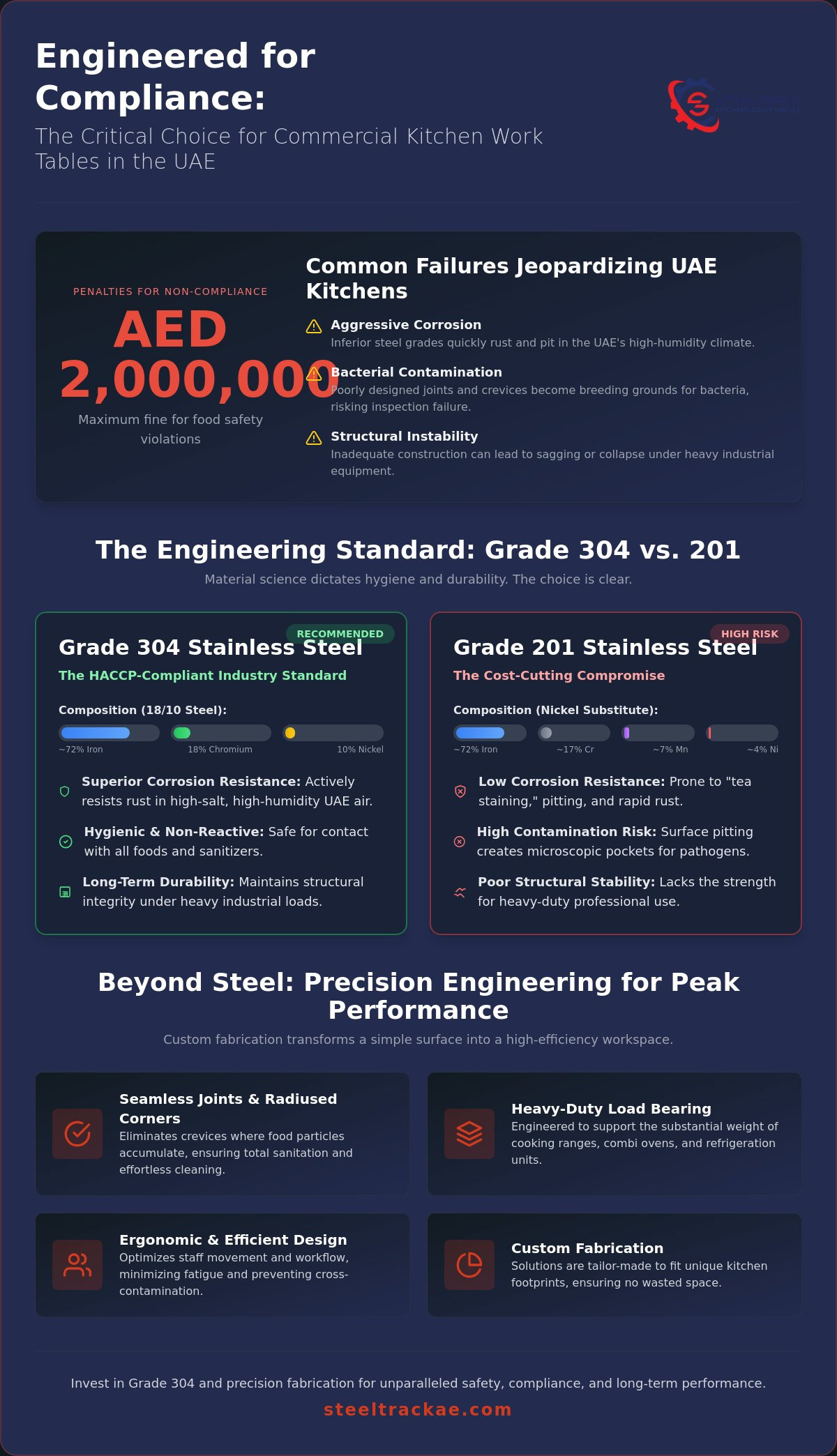
Material science dictates hygiene. The choice between AISI 304 and AISI 201 alloy grades dictates the lifecycle of your kitchen furniture. High-performance stainless steel, specifically the AISI 304 series, utilizes a high nickel and chromium content to form a resilient, self-healing surface. While Grade 201 stainless steel offers a lower initial price point by replacing nickel with manganese, it lacks the structural stability required to resist the aggressive oxidation caused by the UAE’s high-salt coastal air. Grade 304 remains the definitive industry standard for commercial kitchen work tables UAE because it provides superior corrosion resistance in high-temperature, high-humidity environments.
The significance of 18/10 steel, which contains 18% chromium and 10% nickel, cannot be overstated in a sterile food preparation environment. This specific chemical composition ensures the material remains non-reactive when in contact with acidic ingredients or harsh sanitizing chemicals. Using lower-grade steel in the UAE often results in rapid surface pitting and “tea staining,” which are unsightly and create microscopic pockets where pathogens thrive. To ensure your facility meets international safety benchmarks, it’s vital to consult with our engineering team regarding material specifications for your specific location.
Steel Gauge and Load-Bearing Capacity
Precision in fabrication extends to the thickness of the material. For industrial applications, a 1.2mm or 1.5mm top is essential to prevent the “oil-canning” effect, where the metal flexes and pops under pressure. Thicker gauges provide a more substantial feel and significantly reduce noise and surface vibration during intense prep work. When these tables support heavy industrial equipment, such as planetary mixers or ovens, we employ internal hat-channel reinforcements. These structural ribs are bonded to the underside of the tabletop, ensuring the surface remains perfectly level and doesn’t bow under static or dynamic loads.
Surface Finishes and Maintenance
The visual and functional quality of a work table depends heavily on its finish. We utilize a Scotch Bright finish as a standard because it effectively reduces overhead glare and masks the minor abrasions that occur during daily use. Polished surfaces aren’t merely aesthetic; they contribute to easier sanitation by ensuring a smooth, non-absorbent plane that wipes clean with minimal effort. Maintaining this equipment requires a systematic approach to preserve the protective chromium oxide layer. Using non-abrasive cleaners and following a methodical grain-direction wiping protocol prevents the breakdown of this passive layer, ensuring the steel remains impervious to the rigors of a high-volume kitchen.
Ergonomic Design and Custom Fabrication for Operational Efficiency
Efficiency in a high-volume facility is often measured by the cumulative seconds saved across every repetitive task. While many suppliers offer standard 1000x700x900mm units, these static dimensions rarely align with the complex spatial realities of a modern industrial kitchen. Custom fabrication allows for the strategic design of commercial kitchen work tables UAE that conform exactly to your facility’s unique footprint. By eliminating awkward gaps and optimizing the distance between prep zones and cooking lines, operators can significantly reduce unnecessary staff movement and minimize the risk of collisions. This methodical approach to layout design ensures that every square meter of a facility contributes directly to the overall throughput and safety of the kitchen.
Beyond horizontal space, vertical ergonomics play a vital role in sustained personnel performance. Standard heights don’t account for the physical diversity of a global workforce or the specific requirements of specialized tasks. Custom-height surfaces reduce repetitive strain and worker fatigue, allowing staff to maintain precision throughout an entire shift. Whether it’s a lowered station for heavy dough kneading or an elevated surface for delicate plating, tailoring the workspace to the task is a hallmark of professional engineering. This level of customization also facilitates the seamless integration of sinks, drawers, and shelving into a single unified prep station, effectively minimizing the need for staff to leave their designated zone. Our fabrication process ensures that these tables integrate around existing infrastructure, such as structural columns or utility lines, without compromising stability.
Backsplashes and Hygiene Features
A 100mm backsplash is a non-negotiable requirement for tables positioned against walls, serving as a critical barrier against moisture and organic debris that could otherwise penetrate wall joints. We offer a choice between flat-edge designs for standard prep and marine-edge profiles, which feature a raised perimeter to contain liquid spills and prevent floor contamination. To eliminate “dead zones” where bacteria might accumulate, we utilize radius corners and coved edges. These smooth transitions ensure that every surface is easily accessible for cleaning, facilitating the rapid sanitation cycles required in high-intensity environments.
Storage and Undershelf Configurations
Optimizing vertical space is essential for maintaining an organized and safe environment. Adjustable undershelves allow for the secure storage of various equipment sizes, while over-shelving provides immediate access to frequently used ingredients or small appliances. Operators can choose between solid shelves for maximum stability, or perforated and slatted designs that promote essential airflow in temperature-sensitive zones. Incorporating heavy-duty drawers into commercial kitchen work tables UAE further enhances accessibility, keeping essential tools within reach while protecting them from airborne contaminants during peak service hours.
Selecting the Right Work Table for Specialized Kitchen Operations
Selecting a surface for a high-volume facility requires an understanding of the specific mechanical stresses each department faces. A one-size-fits-all approach often leads to premature equipment failure or operational bottlenecks. The strategic procurement of commercial kitchen work tables UAE involves matching the material thickness and reinforcement style to the intended application, whether it’s for delicate pastry work or high-impact butchery. Each specialized sector demands a different engineering profile to ensure longevity and staff safety.
- General Prep Tables: These serve as the versatile foundation for cafes and restaurants, offering a balanced surface for daily culinary tasks.
- Bakery Tables: These often incorporate marble tops for cooling dough or specialized wood surfaces to prevent sticking during intensive preparation.
- Butchery Stations: These units feature reinforced, heavy-duty tops designed to withstand high-impact forces without warping or vibrating.
- Sorting and Dishwashing Tables: Precision-engineered for integration with hood-type dishwashers, these tables ensure an efficient flow in the sanitation zone.
Request a custom fabrication quote for your specialized facility.
Mobile vs. Static Workstations
Operational agility is a priority for facilities that require flexible layouts or frequent deep cleaning. Utilizing heavy-duty casters transforms a standard unit into a mobile prep station, which is particularly beneficial for banquet operations or catering environments. These mobile units must feature high-capacity locking mechanisms to ensure stability during active use. For permanent installations, static tables with adjustable plastic feet are superior; they compensate for uneven flooring to provide a perfectly level working plane. Our professional installation services ensure that every static unit is securely positioned and leveled for maximum safety and efficiency.
Specialized Equipment Stands
Heavy industrial machinery demands a different level of structural support than standard prep work. Low-profile stands are engineered specifically for heavy-duty cooking ranges, ensuring the cooking surface is at the correct ergonomic height for the operator. A specialized Stainless Steel Oven table with integrated tray slides can significantly improve throughput in a commercial bakery by keeping finished products organized and accessible. Custom stands also provide the necessary elevation for refrigeration units and ice machines, facilitating proper airflow and easier maintenance access for technicians, which is vital for extending the lifespan of high-value equipment.
Integrating Custom Stainless Steel Solutions into a Turnkey Setup
Precision engineering in a professional facility requires a holistic view of the entire operational ecosystem. A turnkey kitchen setup demands that commercial kitchen work tables UAE function in perfect concert with high-output machinery. If a table height doesn’t precisely match the adjacent heavy-duty cooking ranges, it creates a physical barrier that slows down service and increases the risk of workplace accidents. Custom fabrication eliminates these discrepancies by ensuring that every piece of furniture, from prep stations to wall cabinets, shares an identical technical specification and Scotch Bright finish. This visual and functional continuity is essential for the institutional strength expected in large-scale commercial environments.
Coordinating with professional installation services ensures that these integrated solutions are fitted precisely to the site’s utility connections and structural layout. Beyond the prep surfaces, the role of stainless steel exhaust hoods remains vital. Proper ventilation maintains the integrity of your work tables by preventing the accumulation of grease and moisture, which can otherwise lead to surface degradation and hygiene failures over time. Every component must be viewed as part of a single, systematic development designed for industrial rigor.
The Turnkey Fabrication Process
The transition from a conceptual layout to a fully operational facility begins with detailed CAD drawings that map every utility point and spatial constraint. Our factory fabrication process follows a methodical sequence, where industrial welding and meticulous polishing ensure that every joint is both structurally sound and hygienically seamless. Managing site logistics for large-scale hotel or hospital installations requires a disciplined approach to timing and coordination. This ensures that the delivery of heavy equipment and commercial kitchen work tables UAE occurs in a logical order, minimizing on-site delays and protecting the equipment during the final fit-out stages.
Long-term Maintenance of Industrial Stainless Steel
Sustaining the performance of high-grade stainless steel requires a commitment to methodical maintenance. Utilizing professional cleaning agents that are free from chlorides is essential to avoid surface pitting or permanent discoloration. We recommend periodic inspections of all welds and structural supports, particularly in heavy-use areas where vibration from industrial mixers or ovens is constant. Choosing a local UAE manufacturer provides a strategic advantage, as it allows for rapid on-site repairs or modifications that generic importers cannot provide. This regional expertise ensures your facility remains compliant with the Dubai Food Code and continues to pass all municipal inspections throughout its operational lifecycle.
Establishing a High-Performance Foundation for UAE Food Service Excellence
The structural integrity of your facility begins with the surfaces that support your daily operations. By prioritizing AISI 304 food-grade stainless steel and ergonomic custom designs, you ensure that your workspace remains resilient against the UAE’s high-humidity climate while maintaining strict HACCP compliance. We’ve examined how commercial kitchen work tables UAE serve as the essential interface for workflow optimization, providing the load-bearing capacity required for heavy-duty equipment and the seamless sanitation necessary for passing rigorous health inspections.
As a trusted partner for the UAE industrial kitchen and laundry sectors, STEELTRACK KITCHEN EQUIPMENT IND LLC provides comprehensive turnkey solutions that bridge the gap between conceptual design and professional installation. Our methodical fabrication process ensures that every component is built to industrial standards, protecting your long-term investment and staff productivity. We invite you to Request a Professional Consultation for Your Custom Kitchen Fabrication to discuss how we can tailor our engineering expertise to your specific facility requirements. Let’s build a durable foundation that supports your professional growth and technical mastery.
Frequently Asked Questions
What is the standard height for a commercial kitchen work table in the UAE?
The standard height for industrial prep surfaces in the UAE typically ranges between 850mm and 900mm. This elevation aligns with international ergonomic benchmarks for standing tasks, ensuring staff comfort during prolonged preparation periods. Custom heights are often engineered for specific technical tasks, such as pastry work or supporting heavy-duty cooking ranges, to maintain a safe and efficient working posture across the entire facility.
Can I use Grade 201 stainless steel for a restaurant prep table?
While Grade 201 is available, it’s not recommended for the demanding food service environments found in the UAE. The high humidity and salt content in coastal regions accelerate corrosion in lower-grade alloys. Grade 304 remains the definitive choice for commercial kitchen work tables UAE because its high nickel and chromium content provides the necessary resistance to oxidation and harsh sanitizing chemicals used in industrial setups.
How much weight can a standard industrial stainless steel work table hold?
A standard industrial work table typically supports between 150kg and 250kg of static load, depending on the steel gauge and reinforcement style. Tables utilizing 1.5mm tops with internal hat-channel bracing offer significantly higher load-bearing capacities for heavy machinery. It’s essential to specify the intended equipment, such as planetary mixers or ovens, during the design phase so the structural supports are engineered for those specific weight requirements.
What is the difference between a work table with a backsplash and one without?
The primary difference lies in hygiene management and wall protection for your facility. A table with a 100mm backsplash is designed for placement against a wall, preventing moisture and food debris from penetrating the joint between the equipment and the building structure. Tables without backsplashes, often called island tables, feature finished edges on all sides; this allows staff to access the work surface from multiple directions in central kitchen zones.
Are custom-sized stainless steel tables more expensive than standard sizes?
Custom-fabricated solutions may involve a higher initial investment compared to mass-produced imports, but they offer superior long-term value. Tailored dimensions eliminate wasted space and ensure a perfect fit around existing structural columns or utility lines. This precision optimization improves kitchen throughput and staff efficiency, often offsetting the initial cost through increased operational productivity and equipment longevity in a professional turnkey setup.
How do I maintain the Scotch Bright finish on my commercial tables?
Maintaining a Scotch Bright finish requires a methodical cleaning protocol using non-abrasive detergents and soft cloths. It’s critical to always wipe in the direction of the grain to avoid creating cross-scratches that can harbor bacteria. Avoiding chloride-based cleaners prevents the breakdown of the protective chromium oxide layer, ensuring the surface remains easy to sanitize and retains its professional, low-glare appearance over years of heavy industrial use.
Is it better to have a solid or a perforated undershelf for food storage?
The choice depends on the specific storage requirements of your facility. Perforated or slatted undershelves are superior for items requiring constant airflow, such as fresh produce or cooling baked goods, as they prevent moisture accumulation. Solid undershelves are preferred for storing dry ingredients or small appliances; they provide a stable surface and prevent spills from reaching the floor, facilitating easier maintenance and hygiene control.
Why is 1.2mm thickness the recommended standard for commercial kitchen tops?
A 1.2mm thickness is the industrial benchmark because it provides the necessary rigidity to prevent the oil-canning effect during intensive tasks. This gauge ensures the surface doesn’t flex or bow under pressure, while also significantly reducing noise and vibration levels in the kitchen. Thinner gauges often fail under the weight of industrial equipment, leading to structural instability and compromised hygiene due to surface warping and joint separation.