

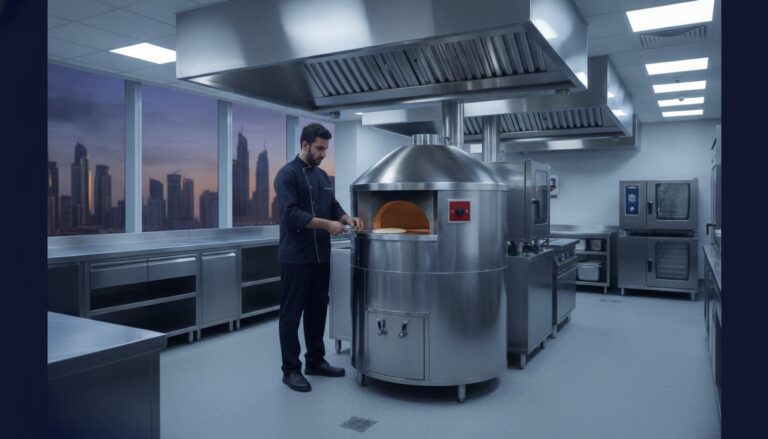
In the high-volume environment of a professional kitchen, the durability of a commercial tandoor oven UAE is defined more by its metallurgical integrity than by traditional artisanal craftsmanship. Many procurement officers recognize the frustration of frequent clay cracking and the escalating gas costs associated with inefficient heat retention in lower-grade units. You understand that maintaining consistent performance while adhering to the UAE’s 2026 unified national food safety system requires equipment built to a higher industrial standard.
This guide serves as a technical roadmap to help you master the specifications and operational requirements necessary for selecting high-performance tandoors within the regional industrial sector. We’ll examine how AISI 304 stainless steel construction and advanced insulation techniques reduce operational downtime and ensure full compliance with mandatory safety regulations. By the end of this analysis, you’ll have the expertise to secure a thermal instrument that meets the rigorous demands of the modern Emirati hospitality market.
Key Takeaways
- Analyze the industrial transition from traditional designs to stainless steel-encased units to meet the rigorous demands of large-scale catering operations.
- Learn why AISI 304 stainless steel serves as the essential material standard for any commercial tandoor oven UAE to guarantee hygiene and thermal resistance.
- Compare high-pressure gas burners and electric heating elements to determine the most efficient energy source for your specific facility infrastructure.
- Ensure full alignment with UAE industrial safety protocols by mastering the ventilation and fire suppression requirements for heavy-duty cooking equipment.
- Discover how custom-fabricated stainless steel solutions can be engineered to optimize workflow and spatial efficiency in professional kitchen environments.
Understanding the Commercial Tandoor Oven: Industrial Standards in the UAE
The transition from traditional earth-bound pits to the modern commercial tandoor oven UAE represents a fundamental shift in industrial kitchen engineering. While the foundational concept of radiant heat remains constant, the execution in a high-volume hospitality environment requires structural sophistication that domestic units cannot provide. Modern industrial standards prioritize thermal stability and mechanical durability to ensure the equipment survives the rigors of a professional environment.
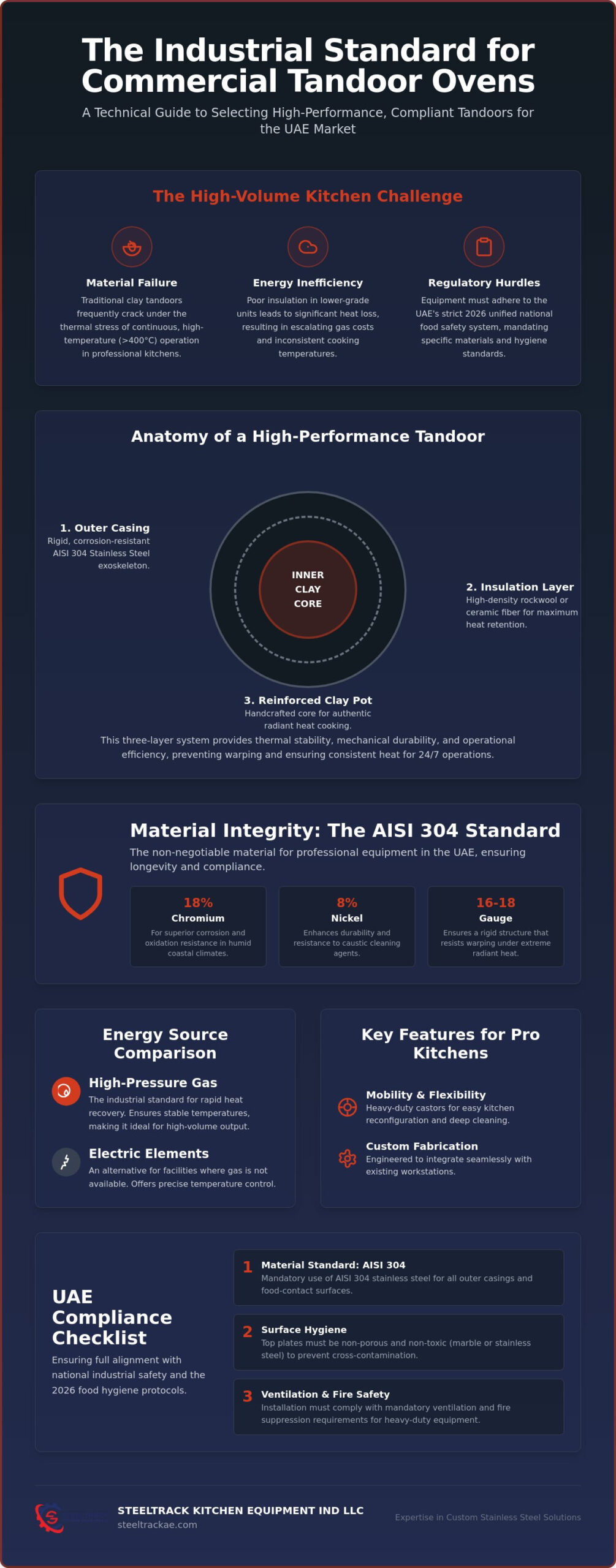
Professional kitchens in the Emirates operate under intense pressure. Equipment must withstand temperatures exceeding 400°C for extended durations. Domestic units fail because they aren’t engineered for the thermal expansion and contraction cycles of a 24-hour catering operation. Industrial-grade solutions utilize heavy-duty materials to prevent the outer shell from warping or the inner core from collapsing under high-frequency use. This durability is essential for maintaining a consistent output in large-scale facilities.
The Evolution of Industrial Tandoor Technology
Modern engineering has successfully bridged the gap between ancient culinary techniques and 2026 industrial requirements. To understand the baseline, one might ask, What is a Tandoor Oven? Historically, it was a simple clay pit. Today’s commercial tandoor oven UAE is a precision-tuned thermal instrument. The integration of high-pressure gas burners allows for recovery times that were previously impossible, ensuring that heat levels remain stable even as cold dough is continuously applied to the walls. These systems are designed to meet the newest federal safety standards across all emirates.
Key Components of a Professional Grade Unit
A professional unit consists of three primary layers: the handcrafted clay pot, a high-density rockwool or ceramic fiber insulation layer, and a rigid AISI 304 stainless steel outer casing. This casing provides the structural frame that allows for mobile configurations. Many operators prefer mobile units with heavy-duty castors to facilitate deep cleaning and kitchen reconfiguration. For facilities requiring specific dimensions, custom fabrication services ensure the unit integrates seamlessly into existing stainless steel workstations.
The internal atmosphere of a commercial unit must maintain a precise balance between conductive heat from the clay and convective heat from the rising air. This synergy produces the characteristic charred texture of authentic flatbreads while ensuring the core of meat products reaches safe temperatures rapidly. Without proper insulation, this balance is lost, leading to excessive fuel consumption and uneven cooking results.
In the UAE, the top surface material is a critical specification. Utilizing a marble or high-grade stainless steel top plate prevents cross-contamination. It also allows for the intense scraping required to maintain a sterile prep area during high-volume shifts. These design choices ensure the unit remains compliant with the 2026 unified national food safety system, which mandates non-porous and non-toxic surfaces for all food contact areas.
Material Integrity: The Science of Stainless Steel Tandoor Fabrication
The engineering of a commercial tandoor oven UAE requires a sophisticated understanding of metallurgy to ensure long-term ROI. In the UAE’s industrial sector, AISI 304 stainless steel is the non-negotiable material standard for any high-performance cooking environment. This specific grade, containing 18% chromium and 8% nickel, provides the necessary corrosion resistance to withstand the high-humidity coastal environments of Dubai and Abu Dhabi. Without this specification, equipment casings quickly succumb to oxidation and pitting, especially when exposed to the caustic cleaning agents mandated by local health authorities. It’s a standard that protects the investment from the aggressive atmospheric conditions found in the region.
Structural integrity is also tied directly to the gauge of the steel used in the fabrication process. Heavy-duty units typically utilize 16-gauge or 18-gauge stainless steel to provide a rigid exoskeleton for the internal clay pot. Thinner alternatives might appear cost-effective initially, but they don’t have the mechanical strength to resist warping under the extreme radiant heat of a tandoor. This material choice ensures the oven maintains its shape and functionality over years of continuous use in high-volume catering environments. It’s not just about the outer look; it’s about the internal stability of the entire thermal system.
Fabrication Standards for Heavy-Duty Use
Precision in fabrication is achieved through seamless argon welding, which eliminates the crevices where bacteria might otherwise proliferate. This approach is fundamental for maintaining HACCP compliance and meeting the 2026 unified national food safety standards. AISI 304 stainless steel possesses a high coefficient of thermal expansion that necessitates precise engineering to prevent structural distortion during the intense heat cycles of industrial baking. For facilities with unique spatial requirements, professional fabrication services can tailor the unit’s dimensions while maintaining these rigorous material standards. This customization ensures that the unit fits perfectly into a streamlined workflow without compromising safety.
Advanced Insulation and Heat Management
Modern insulation technology utilizes a multi-layered approach to create an effective thermal battery within the unit. Combining high-density rock wool with traditional salt and sand layers ensures the clay pot retains heat effectively, which is a critical factor in Energy-Efficient Commercial Ovens. This superior insulation reduces the exterior surface temperature of the commercial tandoor oven UAE, significantly improving the safety and comfort of kitchen staff during peak hours. By minimizing radiant heat loss, operators can achieve a significant reduction in gas consumption compared to poorly insulated traditional designs. It’s a methodical way to lower operational overhead while maintaining peak performance.
If your project requires a unit engineered to these exact industrial specifications, you may wish to consult with our technical team to discuss your specific operational needs.
Operational Efficiency: Gas vs. Electric and Mobility Dynamics
Operational efficiency in a modern facility depends on the seamless integration of the commercial tandoor oven UAE into the broader production line. Unlike standalone units, industrial tandoors must be evaluated for their energy source and their physical flexibility within a dynamic floor plan. The choice between gas and electric systems is often dictated by the specific infrastructure of the venue, such as high-traffic shopping malls where open-flame restrictions are strictly enforced. It’s a strategic decision that affects both throughput and long-term utility costs.
High-pressure gas systems remain the gold standard for high-volume Indian and Pakistani restaurants due to their rapid recovery times. A well-engineered burner assembly ensures even flame distribution across the base of the clay pot, which is essential for maintaining consistent internal temperatures during peak service hours. These systems must include robust safety mechanisms, such as automatic shut-off valves and thermocouples, to satisfy the rigorous commissioning inspections required for UAE gas certificates. This technical precision ensures that high heat doesn’t compromise the safety of the facility.
High-Pressure Gas Systems for Industrial Throughput
The efficiency of a gas-fired unit is measured by its ability to reach operating temperatures within 45 minutes and maintain that heat under constant load. Precision-engineered injectors allow for fine-tuned control over fuel consumption, which directly impacts the bottom line of a large-scale catering operation. When integrated correctly with other equipment like an Indian Cooking Range, the tandoor becomes a central pillar of the kitchen’s throughput capability. Professional fabrication and installation services ensure these systems are calibrated for the specific gas pressures available at your site.
Integrating Mobility into Kitchen Workflows
Mobility is a strategic asset rather than a secondary feature. In the restricted spaces of modern UAE kitchens, the ability to reposition equipment for deep cleaning or layout adjustments is invaluable. Industrial tandoors are heavy, often exceeding 200kg, which necessitates a base frame engineered for extreme load-bearing. Heavy-duty, lockable industrial casters must be specified to ensure the unit remains stable during the high-torque movements of bread slapping. This stability prevents structural fatigue in the stainless steel frame over time.
The engineering of the base frame must prevent structural flex, ensuring the clay pot remains secure during transport. Heavy-duty casters for industrial tandoors must be rated for at least 1.5 times the unit’s total weight to account for the dynamic loads experienced during high-intensity kitchen shifts. This focus on mobility allows for a more hygienic environment by enabling staff to access the floor grating and drainage systems located beneath the cooking line. By aligning the commercial tandoor oven UAE with existing stainless steel work tables and exhaust hoods, you create a systematic workflow that maximizes both space and labor productivity.
Procurement and Compliance: Selecting the Right Unit for UAE Regulations
The 2026 implementation of the unified national food safety system has fundamentally altered the procurement process for any commercial tandoor oven UAE. Compliance is no longer a matter of emirate-specific guidelines but a federal mandate that requires precise documentation and equipment registration. Selecting a unit that meets these rigorous standards is essential to avoid the steep fines associated with non-compliance, which can range from AED 10,000 to AED 100,000 for misleading technical descriptions or safety failures. Procurement teams must prioritize units that come with verified material test certificates confirming the use of AISI 304 stainless steel for all food-contact surfaces.
Technical documentation is the cornerstone of a successful installation. All food-related equipment, including tandoors, must be registered within the ZAD electronic system before they can be legally operated in a commercial capacity. This process ensures that the equipment’s gas systems and metallurgical composition align with the UAE’s high safety benchmarks. Working with a supplier that understands these administrative requirements is as important as the physical build of the oven itself. It ensures that your facility passes municipality health inspections without the need for costly retrofitting.
Safety and Ventilation Integration
Ventilation is perhaps the most scrutinized aspect during municipality and Civil Defence inspections. Because of the intense radiant heat and open-flame nature of clay ovens, they must be integrated with high-performance stainless steel exhaust hoods. It’s a mandatory Civil Defence requirement across all emirates that Type I hoods over commercial cooking equipment include an automatic wet-chemical fire suppression system. Calculating the required Cubic Feet per Minute (CFM) for a tandoor-specific system is a specialized engineering task that must account for the high flue temperatures to prevent heat buildup in the ductwork.
Long-Term Maintenance and ROI
Protecting your investment requires a disciplined approach to maintenance. For a new commercial tandoor oven UAE, the “seasoning” of the clay pot is a critical first step. This involves a methodical process of gradual heating and applying a specialized coating, often a mixture of spinach and oil, to seal the clay and prevent premature cracking. Industrial units should also be evaluated based on the availability of spare parts and the strength of the manufacturer’s warranty. Professional-grade units in the region often feature a five-year warranty on the steel body and gas system, providing a secure ROI for high-volume operations.
Daily cleaning of the stainless steel exterior and marble top surfaces is essential for hygiene and to prevent the buildup of carbon deposits that can degrade the burner system over time. If you are currently planning a new facility or upgrading an existing kitchen line, contact our technical consultants to ensure your equipment specifications meet the latest 2026 UAE compliance standards.
Steeltrack: Custom Stainless Steel Tandoor Solutions
Steeltrack operates as a specialized engineering entity dedicated to the precise fabrication of high-performance kitchen equipment. We recognize that a commercial tandoor oven UAE is often the heart of a culinary operation, requiring a build that balances technical rigor with operational longevity. Our approach moves beyond standard off-the-shelf units, focusing instead on the development of thermal instruments that are purpose-built for the specific throughput requirements of our clients. By maintaining a local manufacturing presence, we ensure that every unit is subject to rigorous quality control protocols before it enters a professional facility.
Our methodology is rooted in the belief that industrial equipment should be an asset that minimizes downtime and maximizes ROI. This is achieved through methodical planning and a deep understanding of the metallurgical challenges present in high-heat environments. We don’t just manufacture hardware; we engineer solutions that support the systematic growth of our partners in the hospitality sector.
Bespoke Fabrication for Industrial Excellence
The spatial constraints of modern commercial kitchens often demand equipment that fits specific footprints without sacrificing performance. Steeltrack excels in custom stainless steel fabrication UAE, allowing us to tailor tandoor dimensions to integrate seamlessly with existing cooking ranges or specialized workstations. We provide a variety of top-surface finishes, including premium marble and heavy-duty stainless steel profiles, to ensure the equipment aligns with both the aesthetic and hygienic requirements of the facility. This level of customization ensures that the workflow remains uninterrupted and that every square centimeter of kitchen space is utilized with maximum efficiency.
Our turnkey solutions encompass the entire lifecycle of the project, from initial design consultation to professional installation and commissioning. We provide a fully integrated thermal system that includes optimized gas burner configurations and reinforced structural frames. This methodical process ensures that the transition from procurement to operation is handled with the professionalism expected by large-scale hospitality and catering groups. Every custom build utilizes premium AISI 304 stainless steel, ensuring that your equipment remains a durable pillar of your kitchen infrastructure for years to come.
The Strategic Partner for UAE Hospitality
Choosing a local manufacturing partner provides a distinct strategic advantage in terms of rapid technical support and the immediate availability of spare parts. Steeltrack’s expertise in heavy-duty cooking equipment and high-performance ventilation systems allows us to serve as a comprehensive consultant for your facility’s needs. We understand the nuances of regional regulations and the intense operational demands of the UAE hospitality sector, ensuring that our builds exceed the 2026 unified safety standards.
Our commitment to reliability and industrial-grade performance is reflected in every weld and insulation layer we produce. We invite project managers and executive chefs to leverage our technical skill for their next industrial kitchen project. To discuss your specific requirements or to request a detailed technical specification for a commercial tandoor oven UAE, please contact our engineering team for a professional consultation. We’re ready to help you achieve the precision and excellence your brand deserves.
Advancing Operational Excellence in the UAE Hospitality Sector
The selection of a commercial tandoor oven UAE is a strategic decision that impacts the long-term profitability and safety of your industrial kitchen. As established in this guide, the foundation of a high-performance unit lies in the precision of its AISI 304 stainless steel fabrication and the scientific efficiency of its thermal management systems. By prioritizing equipment that aligns with the 2026 unified national food safety standards, you ensure that your facility remains both compliant and highly productive within the evolving Emirati hospitality market. It’s a process that demands attention to technical detail to prevent operational downtime.
Successful procurement requires a strategic partner who understands the technical nuances of heavy-duty cooking equipment and integrated ventilation requirements. We specialize in providing turnkey installation and comprehensive technical support throughout the Emirates, backed by deep-seated expertise in high-performance industrial setups. Our engineering team remains dedicated to delivering bespoke solutions that integrate seamlessly into your existing workflow while maintaining the highest standards of hygiene and durability. We take pride in supporting the region’s most ambitious catering projects with methodical precision.
If you’re ready to elevate your facility’s capabilities with equipment engineered for industrial endurance, consult with our technical experts for custom commercial tandoor solutions. We look forward to supporting your operational goals with expert craftsmanship and a commitment to excellence.
Frequently Asked Questions
What is the best material for a commercial tandoor exterior in the UAE?
AISI 304 stainless steel is the superior material for a commercial tandoor exterior due to its exceptional corrosion resistance and structural integrity. This specific grade withstands the high humidity and temperature fluctuations common in UAE kitchen environments. It also meets the non-porous surface requirements mandated by the 2026 unified national food safety system, ensuring long-term compliance and ease of sanitization during high-volume shifts.
How do I ensure my commercial tandoor oven meets UAE safety regulations?
You ensure compliance by registering the unit in the ZAD electronic system and obtaining a valid gas commissioning certificate from local authorities. Every commercial tandoor oven UAE must be integrated with a Type I exhaust hood featuring an automatic wet-chemical fire suppression system. These steps satisfy the rigorous inspections conducted by the Dubai Municipality and Abu Dhabi Agriculture and Food Safety Authority to verify industrial safety standards.
Can a gas tandoor be converted to electric for mall-based kitchens?
Converting a gas unit to electric isn’t recommended as it’s technically complex and often voids existing safety certifications. For mall-based kitchens with gas restrictions, it’s more efficient to procure a purpose-built electric tandoor engineered with specialized heating elements. These units provide the necessary thermal stability while meeting the specific electrical load requirements of high-traffic commercial developments without compromising the authentic cooking results.
How long does a commercial clay tandoor pot typically last in a high-volume restaurant?
An industrial-grade clay pot typically lasts between 12 and 24 months in a high-volume catering environment. This lifespan depends heavily on proper initial seasoning and the consistency of daily maintenance protocols. Frequent thermal shock from rapid cooling or improper handling can lead to premature structural failure, necessitating a scheduled replacement to maintain the heat retention required for consistent bread and meat production.
What type of ventilation is required for a commercial tandoor oven?
A Type I stainless steel exhaust hood is mandatory for all tandoor installations to manage intense radiant heat and smoke. The system must be engineered with a specific CFM rating to handle high-flue temperatures and include an integrated fire suppression system. This configuration is a critical requirement for Civil Defence approval and ensures a safe, temperature-controlled working environment for your kitchen personnel.
Why is AISI 304 stainless steel preferred over other grades for tandoor fabrication?
AISI 304 is preferred because its composition of 18% chromium and 8% nickel provides exceptional resistance to oxidation and chemical cleaning agents. Unlike lower-grade steels, it won’t pit or rust when exposed to the high-moisture conditions of a busy kitchen. This material is also non-reactive, which is essential for maintaining the stringent hygiene standards required for HACCP-certified facilities and large-scale industrial catering operations.
How do I prevent the clay pot from cracking during the initial heating phase?
Preventing cracks requires a methodical seasoning process where the clay is heated gradually over several hours to remove residual moisture. Applying a traditional sealant mixture of spinach, oil, and salt helps to close the pores in the clay and creates a resilient internal surface. This controlled curing process allows the material to expand slowly, significantly reducing the risk of thermal stress fractures during its first operational cycle.
What are the benefits of a mobile tandoor oven versus a fixed installation?
Mobile units offer superior flexibility for kitchen layout adjustments and provide critical access for deep cleaning behind the cooking line. A mobile commercial tandoor oven UAE equipped with heavy-duty, lockable casters allows staff to maintain the floor and drainage systems more effectively than fixed units. This mobility is a strategic asset in modern facilities where space optimization and hygiene compliance are primary operational priorities.