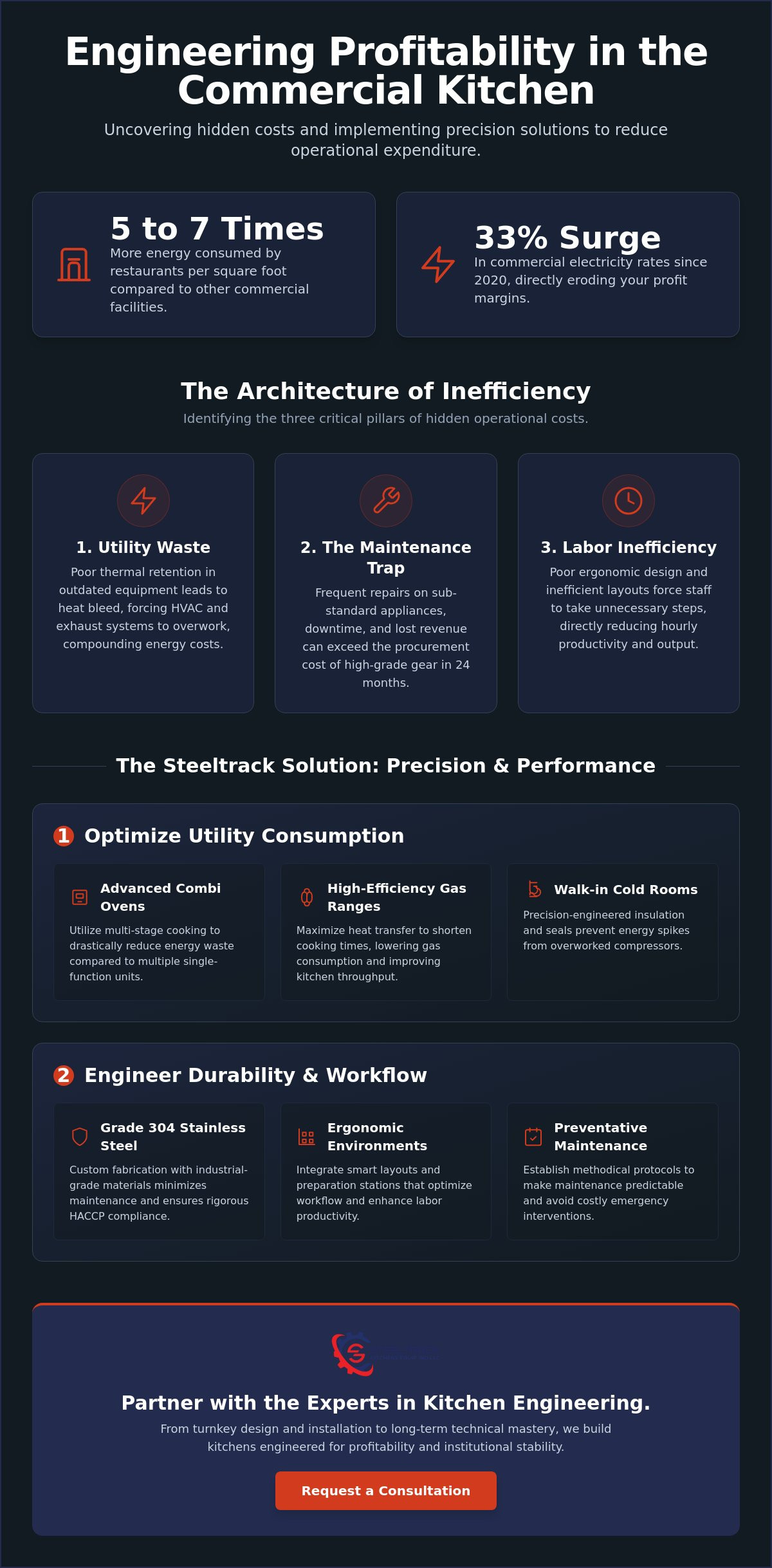
Did you know that restaurants typically consume five to seven times more energy per square foot than other commercial facilities? This intensive resource consumption, coupled with the reality that commercial electricity rates have surged by 33% since 2020, presents a formidable barrier for those focused on reducing operational costs in a commercial kitchen. It’s a structural challenge that demands more than just management adjustments; it requires a deliberate shift toward industrial-grade precision and engineering excellence.
We recognize that rising utility bills and the constant cycle of equipment maintenance can erode your profit margins and disrupt your daily operations. This guide is designed to help you regain control by implementing a systematic approach to kitchen infrastructure. You’ll discover how high-performance equipment, including advanced Combi Ovens and precision-engineered Walk-in Cold Rooms, can lower utility expenses and reduce maintenance overhead. We’ll preview the technical strategies needed to create a HACCP-compliant environment that optimizes labor time and ensures long-term operational stability through superior fabrication and smart engineering solutions.
Key Takeaways
- Analyze the three critical pillars of operational expenditure to identify hidden sources of thermal loss and systemic resource waste.
- Implement precision-engineered solutions for reducing operational costs in a commercial kitchen through the adoption of high-performance Combi Ovens and high-efficiency gas ranges.
- Leverage the industrial durability of Grade 304 stainless steel and custom fabrication to minimize maintenance overhead and ensure rigorous HACCP compliance.
- Optimize labor productivity by integrating ergonomic preparation environments and methodical preventative maintenance protocols into your facility’s workflow.
- Establish a strategic partnership through turnkey design and installation services that prioritize long-term technical mastery and institutional stability.
The Architecture of Operational Inefficiency: Identifying Hidden Costs
Systematic profitability in a high-volume environment begins with a forensic audit of the physical space. Professional operators recognize that a kitchen is not merely a collection of appliances, but a complex engineering system where every component influences the bottom line. The Architecture of Operational Inefficiency often stems from a failure to account for how equipment performance and spatial design interact to drive up expenses. When reducing operational costs in a commercial kitchen, it’s vital to categorize expenditures into three primary pillars: utilities, maintenance, and labor.
Outdated cooking ranges and non-industrial appliances represent a significant drain on resources. These units often suffer from poor thermal retention, which causes heat to bleed into the workspace. This doesn’t just waste gas or electricity; it forces the stainless steel exhaust hoods and HVAC systems to operate at maximum capacity to maintain a safe working temperature. With commercial electricity rates having surged by 33% since 2020, these thermal leaks translate directly into substantial monthly losses. Beyond energy, poor layout design forces staff to take unnecessary steps, resulting in a measurable decline in hourly productivity. Every second spent navigating a cluttered floor plan is a second lost to high-value food preparation.
Quantifying the cost of downtime is equally critical. When a sub-standard appliance fails, the immediate repair bill is only a fraction of the total loss. You must also account for lost revenue, wasted ingredients, and the disruption of the entire service workflow. Relying on professional turnkey engineering services ensures that the initial design minimizes these “dead zones” and utilizes equipment with a high mean time between failures (MTBF), safeguarding the facility against expensive emergency interventions.
Utility Waste and Thermal Inefficiency
Inefficient ovens and ranges act as uncontrolled radiators, significantly increasing the cooling load of the facility. This relationship between cooking equipment and climate control is often overlooked. Similarly, poor insulation in walk-in cold rooms or compromised seals on a bottle cooler can cause electricity spikes as the compressors work overtime to maintain temperatures. Transitioning to high-efficiency hood-type dishwashers also mitigates water waste, which is a localized but growing cost factor for many regional operators who must manage tiered consumption rates.
The Maintenance Trap of Sub-Standard Equipment
Frequent minor repairs on low-grade equipment often exceed the procurement cost of a high-performance cooking range within just 24 months. Industrial-grade components are engineered for the rigors of continuous use, extending the functional lifespan of the asset. By prioritizing high-grade fabrication and localized technical support, operators can avoid the maintenance trap that plagues facilities built on short-term savings rather than long-term engineering rigor. This methodical approach ensures that maintenance interventions are predictable rather than reactive.
Optimizing Utility Consumption Through High-Performance Equipment
Strategic equipment selection is the cornerstone of reducing operational costs in a commercial kitchen. While traditional setups often prioritize initial procurement price, an engineering-led approach focuses on the total lifecycle cost of the asset. Transitioning to a Rational Combi oven allows for multi-stage cooking processes that significantly reduce energy waste compared to using multiple independent units. These advanced systems provide precision control over humidity and temperature, ensuring that energy is only consumed during active cooking cycles. By utilizing High-Performance Equipment, operators can meet the stricter ENERGY STAR 5.0 standards that govern new commercial appliances as of 2026.
The implementation of heavy-duty cooking ranges with high-efficiency burners is another critical factor in minimizing resource consumption. These units are designed to maximize heat transfer, which shortens cooking times and lowers gas usage. Furthermore, integrating smart ventilation that adjusts exhaust rates based on actual cooking activity prevents the unnecessary expulsion of conditioned air. This is a common source of hidden waste that can be mitigated through professional kitchen engineering and fabrication services.
Thermal Efficiency in Cooking Operations
Precision-engineered burners in Indian and Chinese gas ranges focus heat directly on the cooking vessel, which minimizes the ambient heat gain that often plagues poorly ventilated spaces. This focus is vital in high-ambient temperature regions like the UAE. When heat radiation is contained, the stainless steel exhaust hoods don’t have to work as hard to maintain a comfortable environment. Reducing pre-heating times through superior insulation and high-output heating elements also lowers natural gas consumption, making bulk production more cost-effective.
Refrigeration and Cold Chain Optimization
Maintaining a stable cold chain in high-temperature environments requires industrial-grade refrigeration with advanced thermal insulation. Walk-in cold rooms play a pivotal role in bulk procurement strategies. They allow businesses to purchase ingredients at lower rates while drastically reducing the risk of food spoilage. Modern ice machines and bottle coolers now utilize A2L-compliant refrigerants to meet the latest 2026 EPA regulations. High-ambient refrigeration units are essential for maintaining efficiency when external temperatures rise, ensuring that compressors don’t fail under heavy loads. If you’re planning a facility upgrade, it’s beneficial to consult with a technical specialist to ensure your equipment selection aligns with these high-performance standards.
Engineering Durability: The Role of Stainless Steel and Fabrication
The selection of materials and the precision of their assembly are foundational to a facility’s long-term financial health. Grade 304 stainless steel remains the definitive industry standard for professional environments, offering superior corrosion resistance and structural integrity. While the initial procurement of lower-grade alloys might seem cost-effective, the accelerated rate of oxidation and surface degradation in high-moisture areas leads to premature replacement cycles. By investing in high-grade materials, operators ensure that their infrastructure withstands the rigors of industrial use, effectively reducing operational costs in a commercial kitchen through asset longevity.
Custom fabrication addresses a critical flaw often found in modular setups: the creation of “dead zones.” These are the narrow gaps between pre-fabricated units where food debris and moisture accumulate, creating breeding grounds for bacteria. Our approach to specialized fabrication services prioritizes a seamless integration of stainless steel work tables and sinks. This eliminates hard-to-reach areas, significantly reducing the labor hours required for deep cleaning. When surfaces are designed without crevices, the volume of specialized sanitation chemicals needed also decreases, providing a secondary layer of cost savings.
Structural integrity extends to the storage and exhaust systems. Heavy-duty stainless steel wall shelves and base cabinets are engineered to support significant weight without warping. This prevents inventory damage and ensures that expensive ingredients are stored securely. Furthermore, seamless welding techniques ensure that joints remain watertight, preventing internal rust that can compromise the hygiene of the entire unit. This methodical focus on material science and fabrication precision transforms kitchen furniture from a simple utility into a strategic asset.
Hygiene-Driven Design and Labour Savings
Designing work tables with coved corners and integrated backsplashes facilitates rapid, HACCP-compliant cleaning. Integrating heavy-duty floor grating and professional grease traps into the initial floor plan prevents drainage failures that can halt production. Strategically placed stainless steel mop sinks and 3-bowl sinks further streamline sanitation workflows. These engineering choices minimize cross-contamination risks and allow staff to focus on high-value preparation rather than intensive facility maintenance.
Furniture Longevity and Replacement Cycles
Assessing the gauge of stainless steel is vital; thicker materials prevent the warping and vibration often seen in low-quality alternatives. Custom-fabricated stainless steel exhaust hoods play a dual role by protecting walls from grease accumulation and ensuring efficient airflow. In high-moisture environments, utilizing moisture-resistant stainless steel wall cabinets with doors ensures that equipment remains protected from the humid conditions typical of industrial cooking zones. This commitment to durability extends the mean time between equipment overhauls.
Strategic Maintenance and Workflow Engineering
High-performance hardware alone is insufficient without a methodical maintenance framework. Establishing a rigorous preventative maintenance schedule for heavy-duty cooking ranges ensures that burners and heating elements operate at peak efficiency. Regular calibration of thermostats and sensors is essential; even a minor deviation in temperature readings can lead to excessive energy consumption and inconsistent product quality. It’s a fact that sensors drifting by only a few degrees can cause significant energy waste over time. This technical oversight is a primary driver in reducing operational costs in a commercial kitchen, as it prevents the compound losses associated with inefficient thermal transfer and over-firing.
Optimizing the warewashing workflow represents another significant opportunity for cost containment. Transitioning to high-efficiency hood-type dishwashers allows for a measurable reduction in water and detergent consumption per cycle compared to manual methods. However, the efficacy of this equipment depends heavily on staff proficiency. Comprehensive training on the correct operation of advanced thermal equipment is vital to prevent user-error damage. Such damage often accounts for a substantial portion of unplanned repair costs and can be easily mitigated through institutionalized knowledge and clear operational protocols. This methodical approach to reducing operational costs in a commercial kitchen focuses on the synergy between human labor and machine precision.
Preventative Maintenance Protocols
A systematic approach involves daily, weekly, and monthly checklists tailored specifically to industrial ovens and deep fryers. Maintaining the cleanliness of stainless steel exhaust hoods is not just a fire safety requirement; it’s necessary to ensure unobstructed airflow, which reduces the strain on ventilation motors in high-ambient environments. Operators must also monitor refrigeration seals and compressor health. Don’t overlook the impact of compromised gaskets on a bottle cooler or counter top chiller, as they can lead to energy leaks that quietly inflate utility bills, making routine seal inspections a high-ROI activity.
Workflow Optimization for Labour Efficiency
The physical layout of the facility dictates the speed of service and the fatigue levels of the staff. Implementing the ‘Triangle Principle’ minimizes the physical steps between preparation, cooking, and washing zones, thereby maximizing hourly productivity. The ergonomic placement of stainless steel preparation tables and the integration of mobile trolleys allow for the fluid movement of bulk ingredients and finished goods. Through custom stainless steel fabrication, workflows can be tailored to the specific requirements of various cuisines, ensuring that every square centimeter of the kitchen is optimized for peak performance. If you’re seeking to refine your facility’s operational efficiency, consult with our engineering team to design a high-performance workflow.
The Steeltrack Solution: Precision Manufacturing for Profitability
Steeltrack functions as a strategic partner for large-scale commercial kitchen setups, moving beyond the traditional role of an equipment vendor to provide comprehensive engineering expertise. By offering integrated turnkey solutions, we manage the entire lifecycle of a project, from initial custom design through to professional installation and commissioning. This holistic approach is fundamental to reducing operational costs in a commercial kitchen, as it ensures that every component is calibrated to function in harmony within a high-pressure environment. Our localized manufacturing capabilities within the UAE provide a distinct competitive advantage, facilitating rapid parts availability and technical support that imported brands often struggle to match. This proximity effectively minimizes the risk of extended downtime, which is a critical factor in maintaining institutional profitability and operational continuity.
Custom Fabrication for Unique Operational Needs
Precision engineering allows for the tailoring of equipment to specific menu requirements, which effectively eliminates the resource waste associated with over-specification. For instance, a facility focused on high-volume baking requires different thermal profiles and spatial configurations than one dedicated to specialized Asian cuisine. By integrating industrial laundry equipment into hospitality workflows, businesses can also bring essential services in-house, gaining significant control over their third-party operational expenditures. Professional installation is the final, vital step in this process, ensuring that high-performance assets like Combi Ovens and Walk-in Cold Rooms operate at factory-spec efficiency from the moment they’re commissioned.
Sustainable Growth Through Quality Infrastructure
Investing in heavy-duty assets is a calculated strategic decision to secure a lower Total Cost of Ownership (TCO). While the initial capital expenditure for Grade 304 stainless steel fabrication may be higher than lower-grade alternatives, the significant extension of the asset’s functional lifespan provides a superior return on investment. Steeltrack supports UAE businesses in meeting rigorous international safety and hygiene standards, ensuring that facilities remain HACCP-compliant and operationally sound under the most demanding conditions. This commitment to quality infrastructure remains the most effective strategy for reducing operational costs in a commercial kitchen over a long-term horizon. Explore our full range of commercial kitchen services to optimize your facility for maximum efficiency and profitability.
Securing Long-Term Profitability Through Industrial Excellence
Achieving sustainable efficiency in high-volume environments requires a shift from reactive management to proactive engineering. By prioritizing Grade 304 stainless steel fabrication and high-performance thermal equipment, you establish a foundation that resists the hidden drains of utility waste and excessive maintenance. The integration of precision-engineered workflows and methodical preventative maintenance is essential for reducing operational costs in a commercial kitchen, ensuring that your facility operates at peak capacity without compromising on safety or hygiene standards.
As a premier UAE-based manufacturer, Steeltrack is dedicated to providing the technical expertise and turnkey industrial solutions necessary for sophisticated kitchen and laundry operations. Our commitment to excellence ensures that every custom-fabricated element contributes to a lower total cost of ownership and institutional growth. We invite you to Request a Consultation for Your Custom Kitchen Setup to transform your operational challenges into strategic advantages. We look forward to partnering with you to build a more resilient and profitable future.
Frequently Asked Questions
What is the most effective way to reduce energy costs in a commercial kitchen?
The most effective method involves a dual approach of transitioning to high-efficiency appliances and optimizing thermal management. Implementing cooking ranges with precision burners focuses heat directly on the vessel, reducing the ambient heat loss that otherwise forces HVAC systems to work harder. This systemic approach is foundational to reducing operational costs in a commercial kitchen by addressing both direct fuel consumption and indirect cooling loads.
How does stainless steel grade affect the operational cost of a kitchen?
Utilizing Grade 304 stainless steel significantly lowers long-term operational expenditures by extending the replacement cycle of kitchen assets. Unlike lower-grade alloys, Grade 304 provides the corrosion resistance necessary for high-moisture environments, preventing premature structural failure and rust. This durability ensures that work tables and shelving maintain their integrity for decades, reducing the frequency of capital reinvestment and ensuring a lower total cost of ownership.
Can upgrading to a Combi Oven really save money on utility bills?
Upgrading to a Rational Combi oven can lead to substantial utility savings by consolidating multiple cooking processes into a single, high-efficiency unit. These systems utilize advanced sensors to manage steam and heat with precision, minimizing energy waste during idle periods. By reducing pre-heating times and improving thermal retention, these ovens offer a measurable return on investment through lower monthly gas and electricity bills compared to traditional convection models.
Why is preventative maintenance considered a cost-saving strategy?
Preventative maintenance is a strategic cost-saving tool because it extends the mean time between failures and prevents expensive emergency interventions. Regular calibration of thermostats and inspection of refrigeration seals ensure that equipment continues to operate at factory-spec efficiency. This methodical oversight prevents minor technical issues from escalating into systemic failures that disrupt production and result in lost revenue or wasted inventory.
How does kitchen layout influence labour costs and efficiency?
A strategically engineered layout reduces labor costs by minimizing the physical distance staff must travel between preparation, cooking, and sanitation zones. By applying the Triangle Principle and integrating ergonomic stainless steel work tables, operators can improve hourly productivity and reduce staff fatigue. This optimization allows for a more fluid workflow, enabling the same volume of output with fewer labor hours and higher staff retention.
What are the benefits of custom-fabricated equipment over off-the-shelf solutions?
Custom-fabricated equipment eliminates the dead zones common in modular setups, which significantly reduces the labor time required for deep cleaning. Seamless welding in sinks and work tables prevents the accumulation of bacteria and debris, ensuring a higher standard of hygiene with less chemical use. These tailored solutions are engineered to fit the specific dimensions of your facility, maximizing every square centimeter of available space for production.
How much can a modern exhaust system save on HVAC costs?
A modern, demand-controlled exhaust system can significantly lower HVAC costs by adjusting airflow based on actual cooking activity. Traditional hoods often operate at a constant high speed, expelling conditioned air and forcing the cooling system to consume more energy. By using high-performance stainless steel exhaust hoods that manage thermal plumes efficiently, you can maintain a comfortable workspace while lowering overall utility consumption in high-ambient environments.
Is it worth investing in high-performance boiling pans for small operations?
Investing in high-performance boiling pans is often beneficial for small operations that prioritize bulk preparation and consistency. These units are engineered to distribute heat more evenly than traditional stock pots, reducing the energy required per liter of product. By streamlining the production of bases and sauces, small kitchens can achieve the same efficiency levels as industrial facilities, ultimately reducing operational costs in a commercial kitchen through improved resource management.